

Stick Pack Packaging: Formats, Materials, Rollstock, and Use Cases
Table of Contents
- What Is Stick Pack Packaging?
- Best Products for Stick Packs
- Stick Pack vs Sachet Packaging
- Rollstock, Co-Packers, and Filling Compatibility
- Materials and Barrier Planning
- Artwork and Labeling for Small Packs
- How Stick Packs Fit Into a Larger Packaging System
- Sample Testing Before Production
- Stick Pack Buying Checklist
- Common Mistakes Before Production
- Frequently Asked Questions
Quick Take
Stick pack packaging is a narrow single-serve flexible pack used for powders, drink mixes, supplements, instant coffee, collagen, electrolytes, and sample products. It works best when the product needs portion control, portability, clean tearing, and compatibility with rollstock or co-packer filling.
What Is Stick Pack Packaging?

Stick pack packaging is a slim flexible packet designed for one serving or one controlled dose of product. Most stick packs are made from printed film that is formed, filled, and sealed on automated equipment, which is why they are common for powdered drink mixes, supplement powders, sweeteners, instant coffee, collagen, electrolytes, and other on-the-go products.
The format is different from a small stand up pouch. A stick pack is usually narrow, easy to tear, and meant to be poured directly into water, coffee, a shaker bottle, or a recipe. It does not use a zipper because the customer opens the packet once and uses the full serving. That makes it useful for brands that want portion control, sampling, travel convenience, or flavor variety without asking customers to scoop from a larger bag.
For Dylign customers, stick packs should be planned as part of a packaging system. The individual packet protects the serving. A carton, stand up pouch, mailer, or retail display may hold multiple packets. The best decision depends on product behavior, filling method, serving size, label information, and how the customer will buy or use the pack.
Best Products for Stick Packs
Stick packs are strongest when the product is dry, portioned, and used away from the original storage container. The format is especially useful when a customer wants to try a flavor, carry a dose to the gym, add powder to a bottle, or keep a lightweight sample in a bag or subscription box.
Powders are the most common fit because they flow into narrow packets and can be poured cleanly when the tear opening is designed well. Products with high moisture sensitivity, strong aroma, or sticky texture need more careful testing before production.
| Product Type | Why Stick Packs Fit | Packaging Detail to Check |
|---|---|---|
| Electrolyte powder | Single serving for water bottles, gyms, travel, and outdoor use | Moisture barrier, tear opening, flavor color system |
| Collagen powder | Daily dose format for coffee, smoothies, and wellness routines | Serving weight, powder flow, directions readability |
| Pre-workout powder | Portable sample or gym bag format for flavor trials | Caffeine/serving information, warning space, clumping risk |
| Instant coffee | One-cup serving for office, hotel, travel, and sample kits | Aroma protection, moisture exposure, pour accuracy |
| Sweeteners | Controlled portion for beverages and foodservice | Small text clarity, tear notch, low fill weight control |
| Tea or matcha powder | Single cup serving with clear flavor and preparation instructions | Moisture barrier, powder dust, green color protection |
Stick Pack vs Sachet Packaging

Stick packs and sachets are both single-serve flexible packaging formats, but they are not interchangeable. A stick pack is narrow and tube-like. A sachet is usually flatter and more rectangular. The difference affects filling, display, artwork, tear behavior, and whether the format is practical for low-volume testing.
Brands often compare the two when launching powdered supplements, coffee, tea, condiments, or sample products. The right choice depends on whether the product will be filled by a co-packer, whether the brand needs rollstock, and how much information must fit on the packet.
| Decision Point | Stick Pack | Sachet |
|---|---|---|
| Shape | Narrow, vertical, tube-like packet | Flat, rectangular packet |
| Best use | Powders, drink mixes, supplements, instant coffee | Samples, powders, condiments, beauty samples, small portions |
| Filling method | Usually automated form-fill-seal rollstock | Can be automated; some formats may be more sample-friendly |
| Artwork space | Limited width; needs very clear hierarchy | More rectangular front area for instructions or claims |
| Customer experience | Tear, pour, use full serving | Tear, squeeze or pour depending on product |
| Best for startup tests | Best when co-packer/filling path is already planned | Often easier to consider for early sample programs |
If the product is a powder that customers pour into water, a stick pack may be the cleaner retail story. If the product needs more front-panel copy, a flatter sachet may be easier to read. For multi-serving use, brands may combine both with a stand up pouch or carton that holds multiple packets.
Rollstock, Co-Packers, and Filling Compatibility

The most important production detail is that stick packs are usually planned around rollstock and automated filling. The printed film runs through a form-fill-seal machine, where the packet is formed, filled, sealed, and cut. That means your packaging decision has to match the co-packer or filling machine before artwork is final.
Brands should ask the filler for roll width, repeat length, seal area, registration requirements, tear opening needs, and any restrictions on film structure. A beautiful stick pack design can fail if it does not run cleanly on the machine, seal through the product correctly, or tear open in the right place.
Powder behavior also matters. Fine powders can create dust around seal areas. Sticky powders may cling to the film or opening. Larger granules may need a wider opening than the mockup suggests. Before production, test fill weight, flow, tear quality, and pour behavior with the real product.
Materials and Barrier Planning
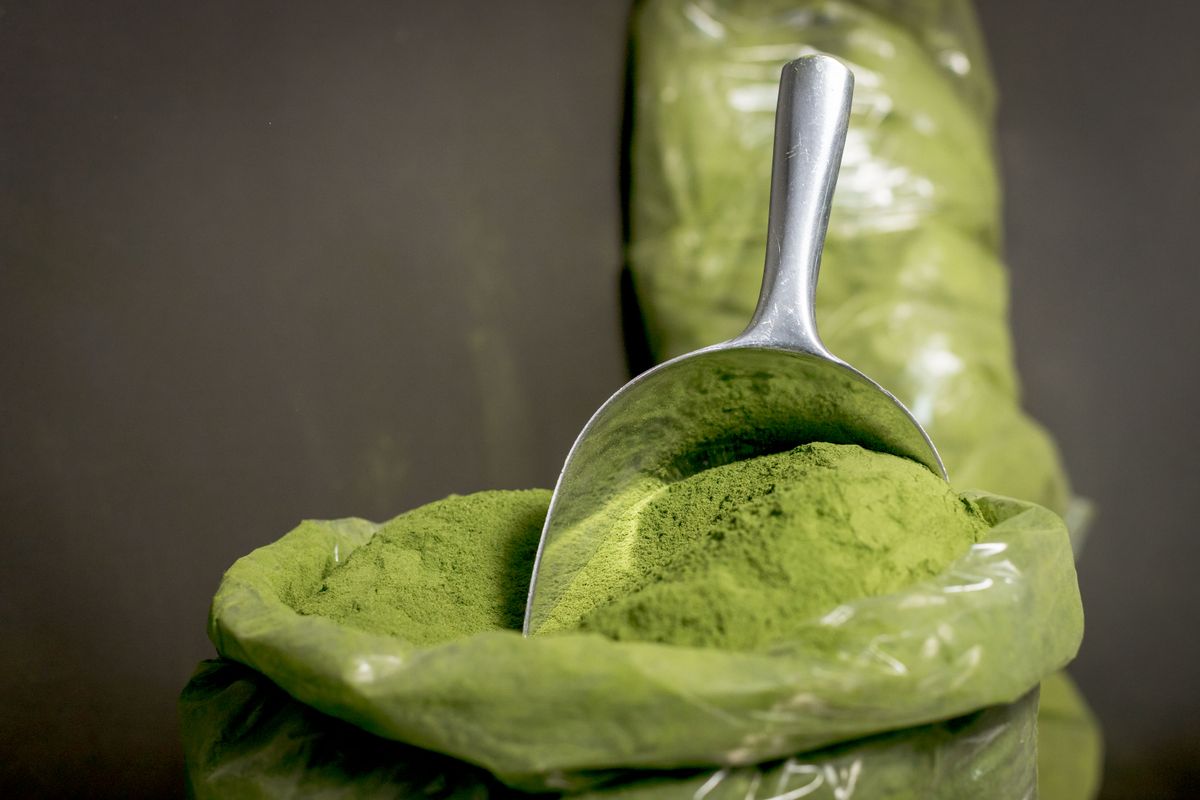
Stick pack materials should be chosen around the product risk. Powders often need moisture protection because clumping can hurt customer experience. Coffee and tea powders may need aroma protection. Supplement powders may need enough barrier planning to reduce exposure during storage and shipping. Final material suitability should always be confirmed against the actual product, filling process, and claim requirements.
For Dylign pouch projects, brands may compare white or clear base films, classic multi-layer structures, and recyclable-ready PE-based options depending on product sensitivity. Barrier-enhanced layers such as VMPE or EVOH-PE may be considered when extra protection matters. Recyclability or compostability language should be reviewed carefully because final claims depend on exact structure and local access.
| Product Risk | Why It Matters | Material Direction |
|---|---|---|
| Moisture sensitivity | Powder can clump before the customer opens the packet | Compare barrier-aware structures and test storage conditions |
| Aroma protection | Coffee, tea, and flavored powders can fade or transfer aroma | Consider stronger barrier planning and opaque structures |
| Powder dust | Dust can affect seal quality and tear experience | Test filling behavior and seal areas with real powder |
| Clear film appearance | Powders may leave dust or uneven fill lines | Use clear areas carefully; white or printed film may look cleaner |
| Sustainability claims | Recyclable-ready and compostable structures need careful wording | Confirm final structure and claim language before production |
Artwork and Labeling for Small Packs

Stick pack artwork has very little room, so the front hierarchy needs to be ruthless. Put the brand, flavor, product type, serving amount, and use cue where the customer can see them quickly. Secondary details can move to a carton, outer pouch, or retail display if the individual packet is too small.
Small text is a common failure point. A supplement stick pack may need flavor, serving directions, warnings, and a supplement facts panel somewhere in the packaging system. A coffee stick pack may need roast or flavor cues. A food or drink mix packet may need net weight, ingredients, allergens, or preparation instructions. This article is packaging planning guidance, not legal or regulatory advice; brands should confirm final label requirements with qualified advisors or suppliers before production.
- Keep flavor names short enough to read on a narrow packet.
- Reserve space for tear direction so customers do not rip through key copy.
- Use color systems to separate flavors, caffeine levels, or product functions.
- Check barcode, lot/date, and outer packaging needs before final artwork.
- Review the packet at actual size, not only as a zoomed-in mockup.
How Stick Packs Fit Into a Larger Packaging System
A stick pack rarely works alone in retail. Many brands sell stick packs inside cartons, display boxes, sample kits, stand up pouches, or mailer boxes. That outer package can carry the longer brand story, supplement facts, brewing directions, barcode, and compliance details while each stick pack stays simple and easy to use.
This is where stick packs connect naturally to Dylign's broader packaging system. A supplement brand might use stick packs for individual servings and a folding carton for a 10-count trial box. A coffee brand might use stick packs for instant coffee samples and a pouch for the full retail line. A wellness brand might include sample sticks inside an ecommerce mailer with tissue paper and a printed insert.
The outer package should also solve the information problem. A single stick pack may not have room for every instruction, claim caveat, barcode, or nutrition panel. A carton or pouch can carry the detailed copy while the stick pack focuses on flavor, serving identity, and easy use.
| System | Best Fit | Planning Note |
|---|---|---|
| Stick pack + folding carton | Retail supplement, coffee, tea, or drink mix sets | Use the carton for full label copy and shelf presentation |
| Stick pack + stand up pouch | Bulk sample packs or flavor variety packs | Use the pouch to organize multiple single-serve packets |
| Stick pack + mailer box | Subscription boxes, influencer kits, launch samples | Protect packets during shipping and improve unboxing |
| Stick pack + tissue paper | Giftable wellness, beauty, or coffee samples | Add presentation without overloading the packet itself |
Sample Testing Before Production
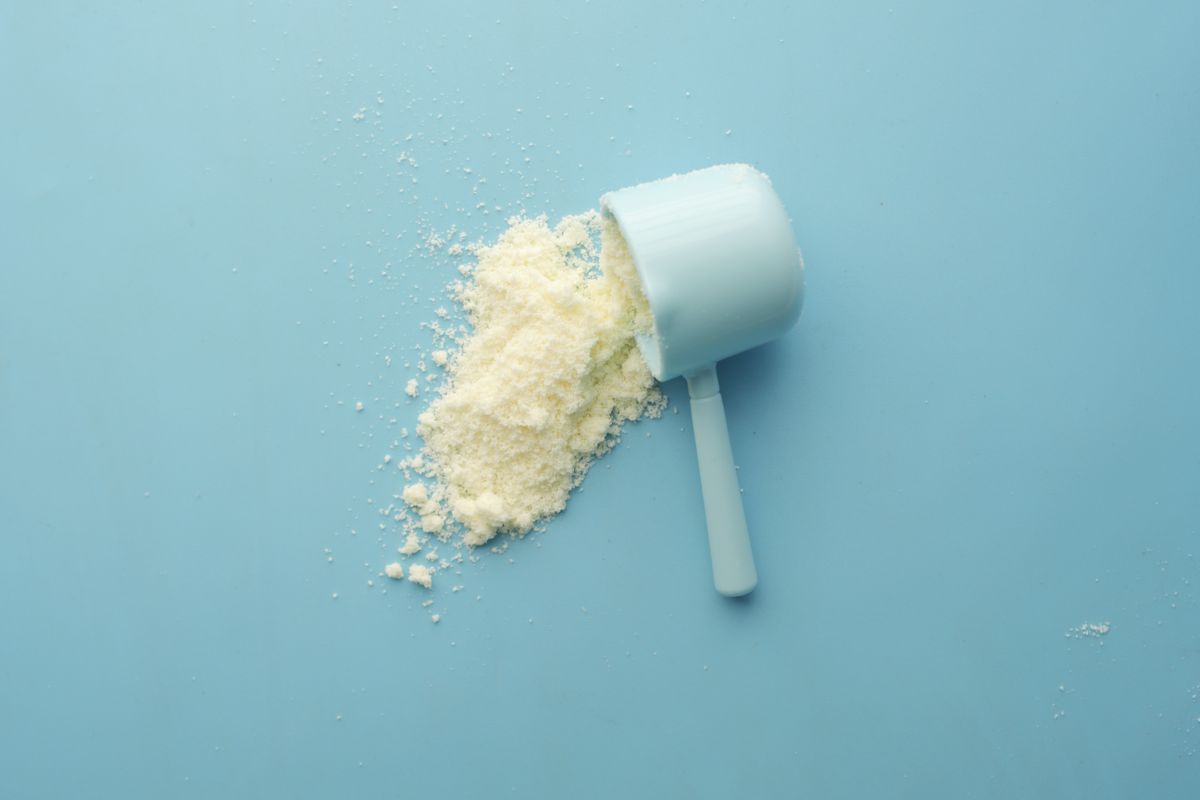
Stick pack samples should be judged with the actual product, not only with empty printed film. Fill weight, powder flow, tear behavior, pour accuracy, and seal quality all affect whether the packet feels professional in use. A sample that looks correct on a table can still fail if powder gathers in the seal area or if customers cannot pour the full serving cleanly.
For powders, run a simple use test. Tear the packet open, pour it into the intended container, and check how much product remains trapped near the seam. Then test the packet with dry hands, wet hands, and while standing, because many electrolyte, pre-workout, and coffee stick packs are used outside a kitchen. If the product is strongly flavored or aromatic, store filled samples near other products and check whether odor transfer becomes noticeable.
For co-packer review, ask for production notes before the artwork is locked. The filler may need quiet zones, registration marks, minimum seal widths, or film structures that match their equipment. These technical details should guide the dieline and artwork hierarchy from the beginning instead of being fixed after proof approval.
| Test | What to Look For | Why It Matters |
|---|---|---|
| Fill weight test | Does the serving fit without over-tight sealing? | Overfilled packets can tear poorly or look swollen |
| Pour test | Does the powder leave the packet cleanly? | Residue hurts the single-serve experience |
| Seal test | Does powder dust interfere with the seal? | Fine powders can create production and leakage risks |
| Actual-size artwork test | Can flavor and directions be read without zooming? | Stick packs have less copy space than pouches |
| Outer-pack test | How do multiple packets sit inside the carton or pouch? | The retail system needs to work beyond the individual stick |
Stick Pack Buying Checklist
Before ordering custom stick packs, brands should gather the details that affect both printing and filling. This makes the quote more accurate and reduces the chance of redesigning the packet after the co-packer reviews it.
- Confirm the product type: powder, granule, instant coffee, supplement, sweetener, or other dry fill.
- Confirm target serving weight in ounces and grams.
- Ask the filler whether they need rollstock, premade sachets, or another format.
- Request roll width, repeat length, seal area, and registration requirements.
- Decide whether the stick pack will be sold alone, in a carton, or inside a pouch.
- Prepare required label information before designing the narrow packet.
- Test tear direction, pour behavior, and actual-size readability before production.
If those answers are not ready, a stand up pouch, sample sachet, or small carton may be easier for early market testing. Stick packs become more efficient when the filling path is clear and the brand knows the serving size, outer packaging, and repeat-order plan.
Common Mistakes Before Production
The biggest mistake is treating stick packs like miniature pouches. They are not just smaller versions of resealable bags. They have different filling requirements, different artwork limits, and different customer behavior. A customer expects to tear, pour, and finish the packet in one use.
Another common mistake is designing the packet before talking to the co-packer. The production partner may have specific rollstock, registration, seal, and repeat-length requirements. If those details come after design approval, the artwork may need to be rebuilt.
- Do not choose stick packs before confirming the filling path.
- Do not overfill the packet with text that becomes unreadable at actual size.
- Do not assume clear film will look clean with powders or granules.
- Do not place key copy where the tear notch or seal area may cut through it.
- Do not promise recyclable, compostable, food-safe, or shelf-life claims without final material confirmation.
Why Brands Choose Dylign
Dylign helps growing brands plan custom packaging systems that connect single-serve formats with retail-ready outer packaging. You can use stick packs for controlled servings, then pair them with folding cartons, stand up pouches, mailer boxes, tissue paper, or other formats as the product line grows. Start with samples, review the real artwork and material direction, and build toward a production-ready packaging system without guessing from a flat mockup alone.
Frequently Asked Questions
What is stick pack packaging used for?
Stick pack packaging is used for single-serve products such as electrolyte powder, collagen, pre-workout, instant coffee, tea powder, sweeteners, drink mixes, and sample products. It works best when the customer tears open one packet and uses the full serving immediately.
What is the difference between a stick pack and a sachet?
A stick pack is narrow and tube-like, while a sachet is usually flatter and rectangular. Stick packs are often used for powders and automated filling, while sachets can offer more front-panel space and may be easier to consider for some sample programs.
Do stick packs require rollstock?
Most stick pack projects are planned around printed rollstock that runs on form-fill-seal equipment. Brands should confirm roll width, repeat length, seal area, and film requirements with their co-packer or filling partner before final artwork approval.
Are stick packs good for supplement powders?
Yes, stick packs can work well for supplement powders when serving size, moisture sensitivity, powder flow, warning copy, and label hierarchy are planned early. Pre-workout, collagen, electrolytes, and greens powders are common stick pack use cases.
Can coffee be packaged in stick packs?
Instant coffee and powdered coffee products can work well in stick packs because customers use one serving at a time. Whole bean or ground coffee usually fits better in stand up pouches or flat bottom pouches unless the product is a small sample format.
What should be tested before ordering stick packs?
Test the actual product with the intended fill weight, film structure, tear opening, seal area, and pour behavior. Powders should be checked for dust, clumping, moisture exposure, and whether the packet stays readable at actual printed size.